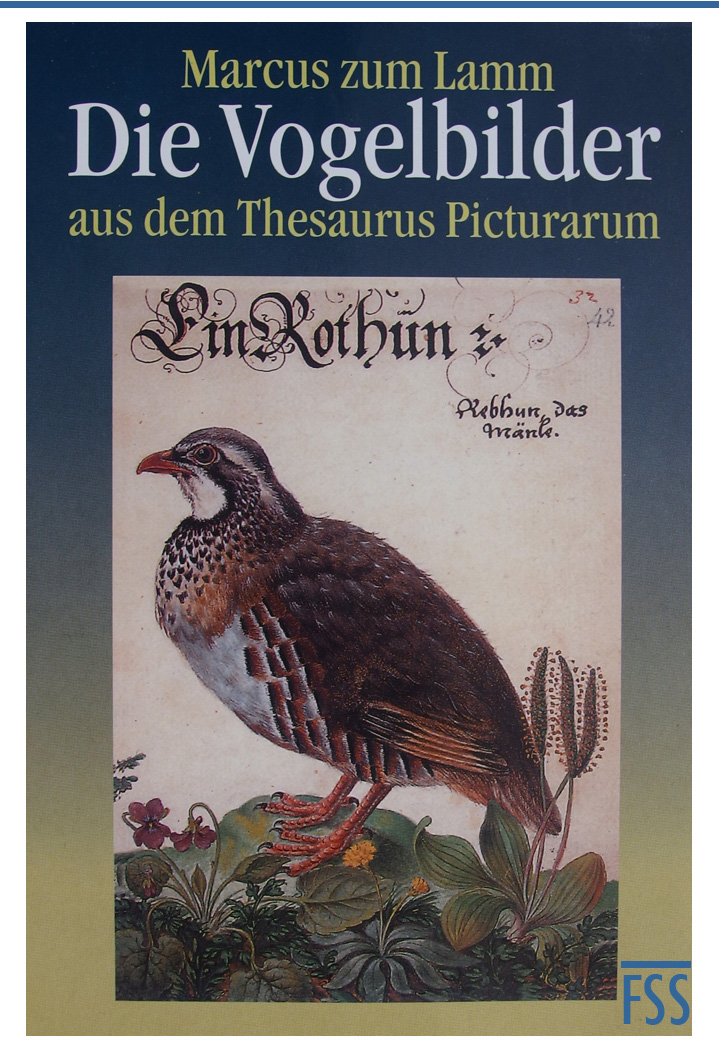
Marcus zum Lamm (1544-1606) must be one of the best kept secrets in the history of the canary. Most people with an interest in the subject have never heard of him. ... Read More
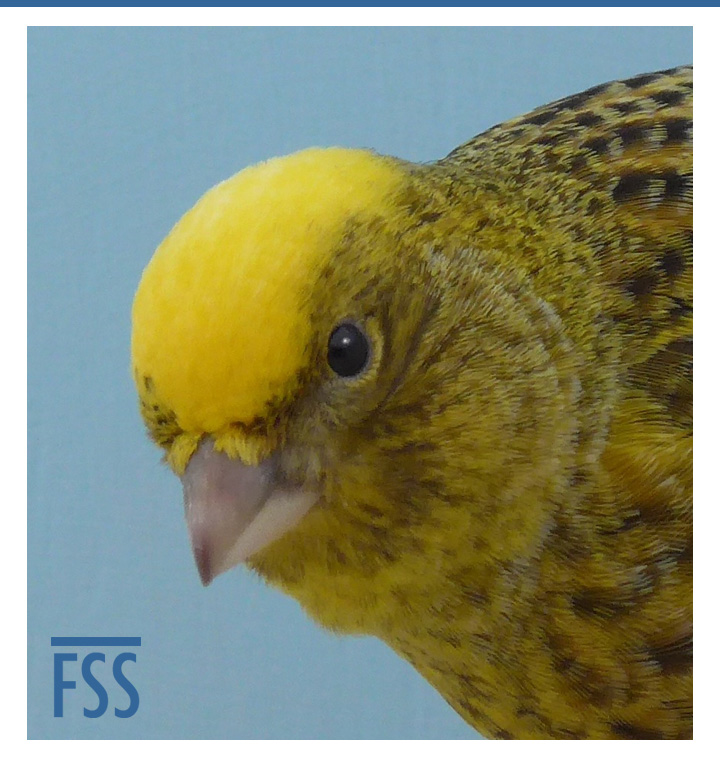
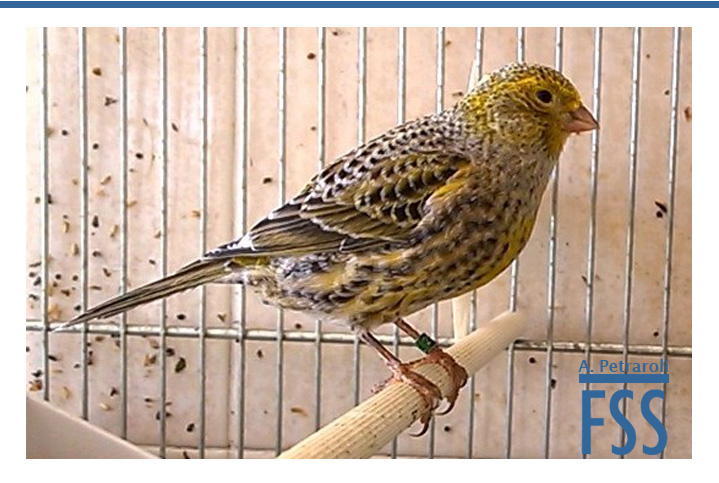
Let’s start with a riddle: What am I? All canaries possess them, but I have never seen any writer on canaries mention them. You will see them in photographs, but rarely in drawings. They are an insignificant detail in every variety except one: the Lizard canary. Answer: they there are two tufts of feathers either side of […]... Read More
Have a look at the engraving of the canary at the head of this article. If you have read History, part 6, it may look familiar. It is a copy of the engraving published in Olina’s Uccelliera (1622), but it is not Italian. It was a product of international collaboration; an example of globalisation over […]... Read More
Up to now we have been concentrating on events in France during the sixteenth and seventeenth centuries. You may have noticed that I have not mentioned any French references to the canary during that period. That is because I have not found any!... Read More
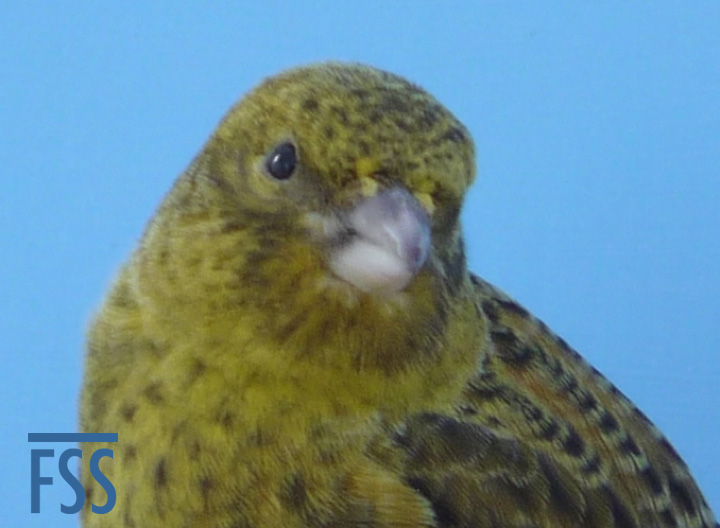
I finished Lizard canary basics, part 9: Sweet Bird of Youth by asking if any of the eight juveniles I had photographed were going to be stars of the future. Would we see their names in bright lights? In the best Hollywood tradition, the article left the leading characters facing an uncertain future; to find […]... Read More
Fans of Paul Newman and Geraldine Page are going to be disappointed. This article has nothing to do with the film, or with Tennessee Williams, other than the title. But what a title! Much better than ‘Juveniles’ which was my original choice. ... Read More
In Lizard Canary Basics 8 I illustrated over-year Lizard canaries with photographs of four birds before, and after, their second moult. An impossible task, because the signs of ageing cannot be summarised in four specimens. ... Read More