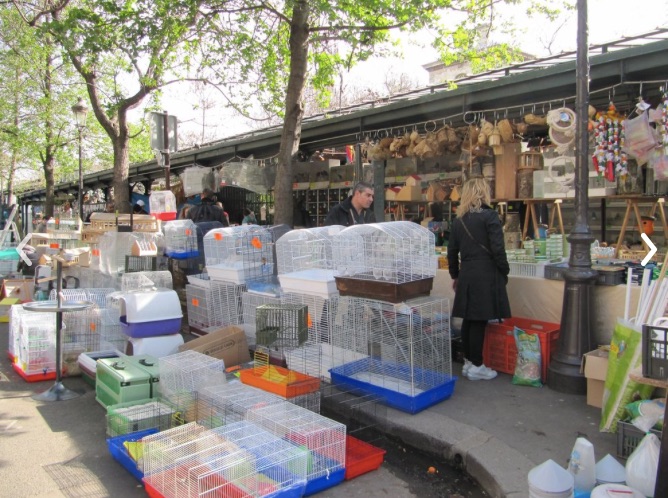
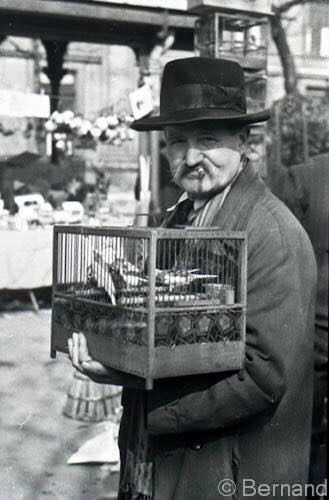
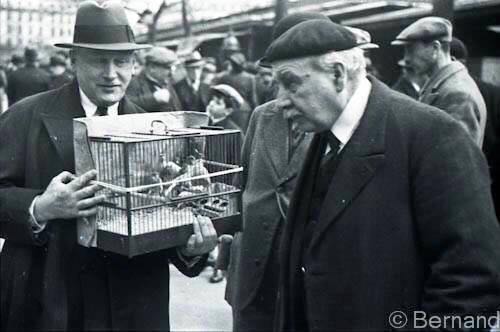
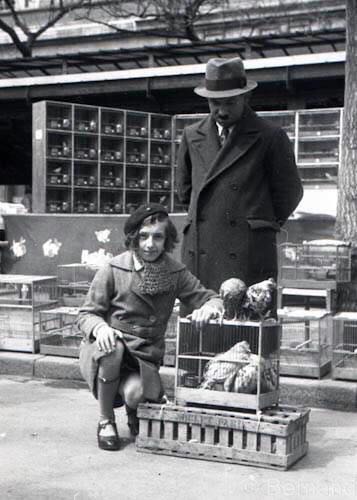
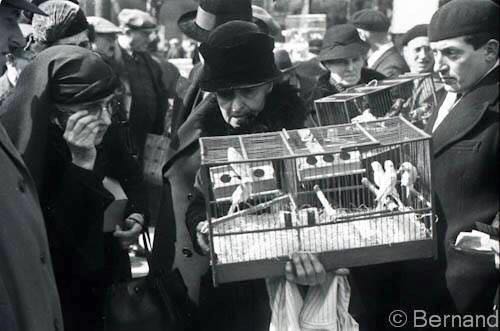
Just as I was preparing the article on the oiseleurs of Paris, John Canepa sent me some old photographs showing a French bird market and its customers. ... Read More
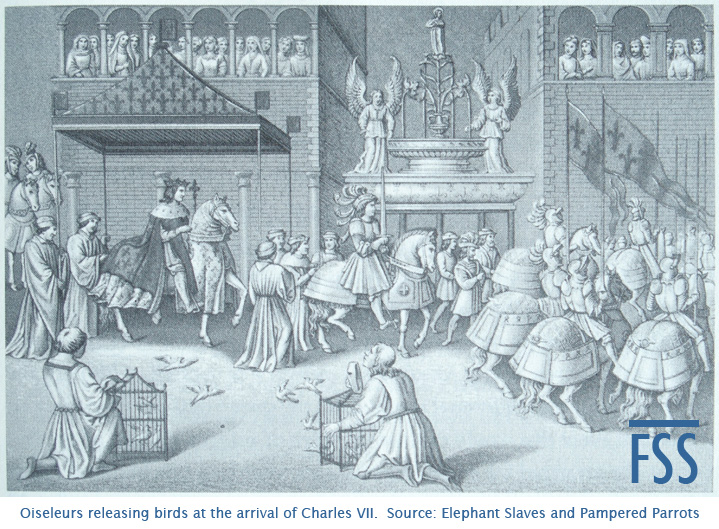
Anyone who wanted to buy a pet bird in Paris in the late 1600s would have known exactly where to find one: the quai de la Megisserie, a bustling area on the right bank of the Seine (1); or, if it was a Sunday, on the Vallée de Misère and the Pont au Change at […]... Read More
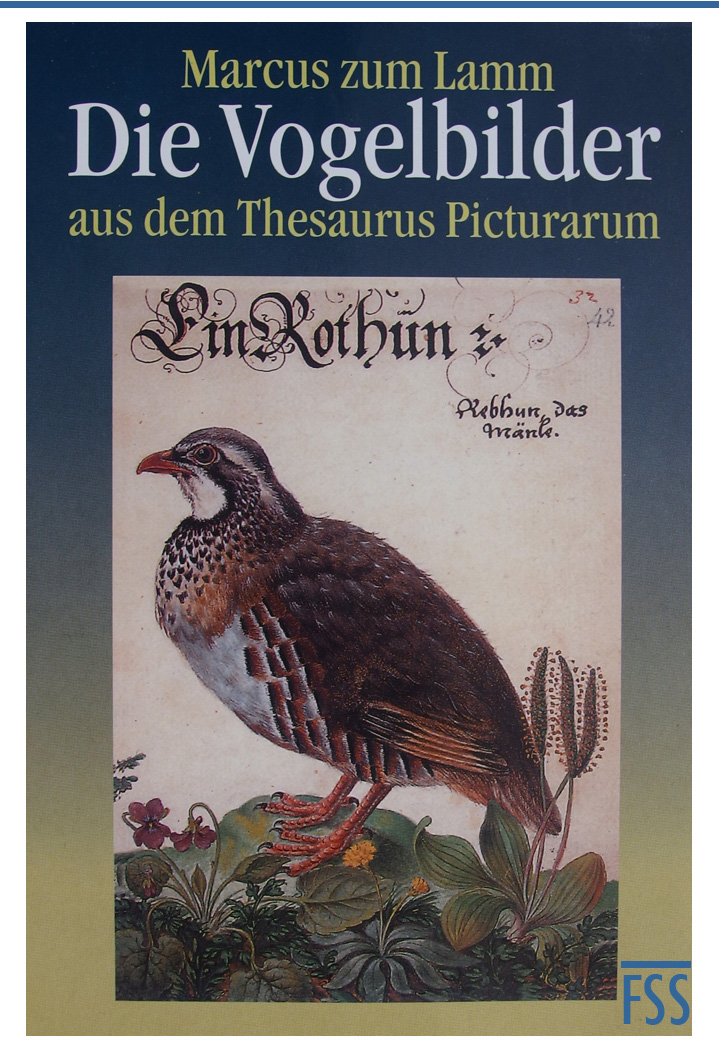
Marcus zum Lamm (1544-1606) must be one of the best kept secrets in the history of the canary. Most people with an interest in the subject have never heard of him. ... Read More
Have a look at the engraving of the canary at the head of this article. If you have read History, part 6, it may look familiar. It is a copy of the engraving published in Olina’s Uccelliera (1622), but it is not Italian. It was a product of international collaboration; an example of globalisation over […]... Read More
Up to now we have been concentrating on events in France during the sixteenth and seventeenth centuries. You may have noticed that I have not mentioned any French references to the canary during that period. That is because I have not found any!... Read More
The great enemy of truth is very often not the lie – deliberate, contrived and dishonest – but the myth – persistent, persuasive and unrealistic. Too often we hold fast to the cliches of our forebears. We subject all facts to a prefabricated set of interpretations. We enjoy the comfort of opinion without the discomfort […]... Read More
Before anyone familiar with the Pre-Raphaelites (1) points it out, the illustration above has nothing to with France and was painted in a different era from the great Huguenot exodus, which is the subject of this post. Yet, when you try to understand what emigration meant to real people; their commitment, their emotions, this painting […]... Read More