NCSH 2015-034y H&S-FI BCGC 2015-028 H&S-FSS BCSC 2015-15d H&S-FSS NCSC 2014-39 H&S-FSS PCGH 2015-36a H&S-FSS BCGH 2015-026b H&S-FSS BCSH 2015-37g H&S-FSS

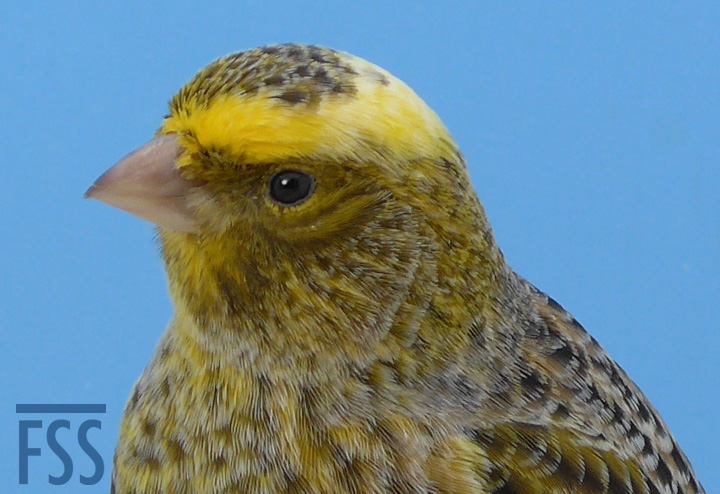
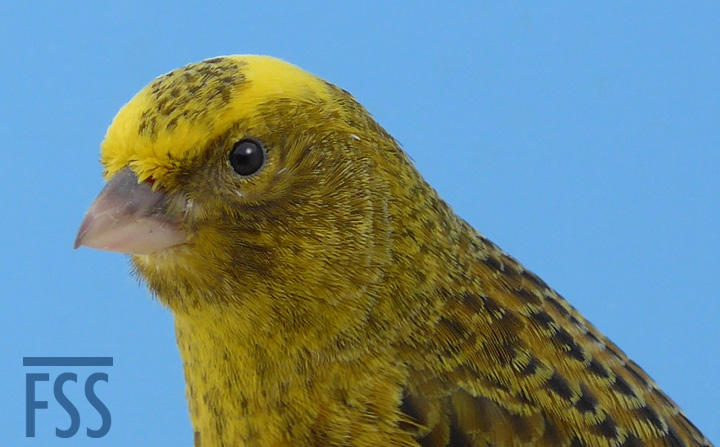
Lizard canary basics, part 11: the spangled crown

In History part 14 I discussed the slow, but inevitable, recognition of broken capped and non capped Lizard canaries. Caps are defined by the extent of clear feathers, but in this edition of Lizard canary basics I want to focus on the dark feathers, the ones that were once deemed to detract from perfection.... Read More
Key to Plate 1 Biometrika-fss Greenfinch mule 1995-FSS Plate 1 Biometrika -FI

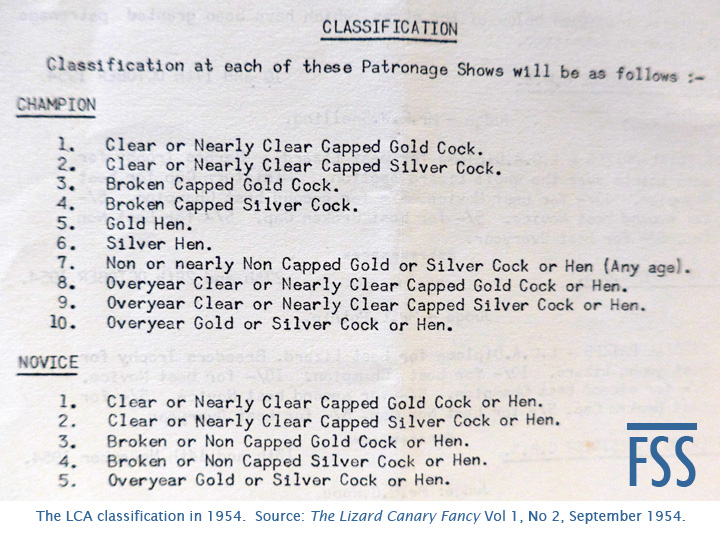
History, part 13: Galloway & the origin of the Lizard canary

‘I have bred and now possess alive two Siskin-Canary hybrids, one with a perfectly shaped golden-yellow cap (most of the rest of the bird being dark-heavily variegated) and another with a beautiful silver-spangled back (most of the rest of the bird being clear) . . . The spangled back appeared at the first moult, just […]... Read More
Cinnamon canaries from Canaries, Hybrids & British Birds-FI Galloway extracts from Appendix-fss Hervieux's list by Galloway-fss Galloway clear siskin mule-fss

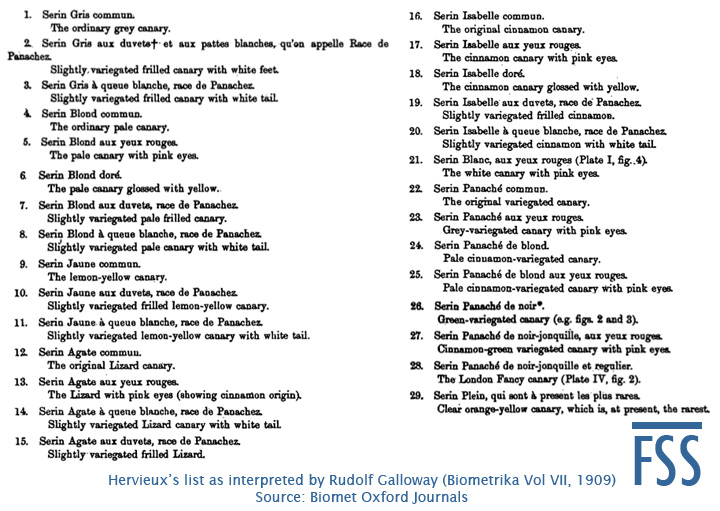
History, part 12: Rudolf Galloway’s theory

“It is a capital mistake to theorise before one has data. Insensibly one begins to twist facts to suit theories, instead of theories to suit facts.” – Sherlock Holmes in A Scandal in Bohemia. When Rudolf Galloway began keeping records of his breeding experiments with canaries and British finches in 1891, he was ahead of […]... Read More